
TL;DR:
- Automation in manufacturing is reshaping production through connected, data-driven systems.
- Modern tools like robotics, sensors, and IIoT platforms support smoother, more consistent workflows.
- Real examples include automated assembly, quality checks, predictive maintenance, and remote monitoring.
- Key benefits include predictable output, faster issue detection, better use of workforce skills, and coordinated operations.
- The future points toward AI, digital twins, stronger connectivity, and more effective human–machine collaboration.
Automation in manufacturing is changing how production floors run, giving teams smarter tools and clearer insight into their day-to-day operations. As factories shift toward more connected, data-driven systems, automation is playing an even bigger role in how work gets done.
Manufacturers are leaning into this trend because it helps create smoother, more reliable processes. The real impact shows up in everyday workflows, from how equipment performs to how quickly teams can respond to issues.
The sections ahead break down real examples of automation and the key benefits driving its growing adoption.
What Automation Looks Like in Today’s Manufacturing Industry
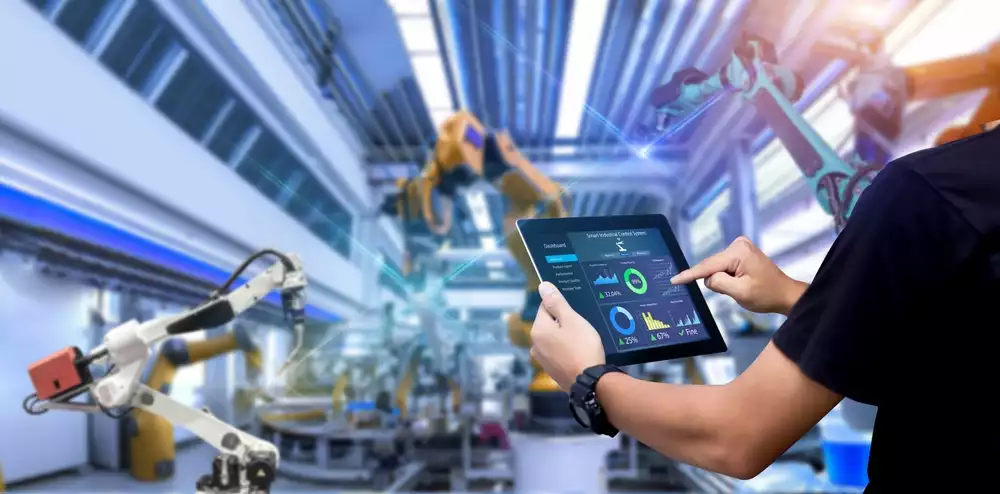
Automation in the manufacturing industry covers a range of tools that help equipment communicate, react, and run more smoothly. Many facilities rely on connected systems that collect real-time data and give teams a better view of what’s happening on the floor.
Common examples include:
- Robotics and machine control systems that take care of repetitive or high-precision work.
- Sensors and data tools that track things like temperature, pressure, movement, and equipment condition.
- IIoT platforms that connect PLCs, databases, historians, and visualization software.
- Automated alerts and dashboards that help teams spot changes in performance right away.
These tools make it easier to adjust processes, handle production changes, and monitor equipment from almost anywhere.
As more manufacturers adopt connected systems, automation becomes a natural way to improve daily operations and overall efficiency.
Real-World Examples of Automation in Manufacturing
Real examples of automation in manufacturing show how modern tools help teams handle daily production tasks with more consistency and less stress.
Many facilities now use a mix of robotics, data platforms, and smart controls to keep operations running smoothly.
Automated Assembly and Material Handling
Robotic arms help with repetitive motions, part placement, and detailed tasks. This keeps production moving quickly and supports steady, accurate work during busy runs.
Machine Vision for Quality Checks
Cameras and inspection software review products in real time and catch defects before they become bigger issues. This reduces waste and helps teams maintain consistent quality.
Predictive Maintenance
Sensors track changes in vibration, temperature, and overall performance. Operators get an early heads-up when something needs attention, which prevents unexpected downtime.
Process Monitoring and Control
Live data from PLCs and sensors gives teams a clear look at how equipment is performing. Quick adjustments are easier, and production stays on track.
Remote Access and Oversight
Secure software tools let teams monitor equipment across different areas or facilities. Operators can check on performance and respond to issues without constantly moving around the floor.
Key Benefits of Automation in Manufacturing
The benefits of automation in manufacturing extend into nearly every part of daily operations. As facilities scale and production demands grow, automated systems help teams stay consistent and competitive.
More Predictable Production
Automation helps reduce surprises on the floor. When equipment follows the same programmed steps every time, teams can rely on steady output and fewer delays.
Faster Issue Detection
Automated tools highlight small changes in performance before they affect the final product. Early insight gives operators time to intervene and keep production moving.
Smoother Coordination Across Systems
Connected tools share information instantly, which helps different parts of the operation work in sync. Processes line up more easily, and production flows with fewer interruptions.
Reliable Long-Term Performance
Automation supports steady conditions that reduce wear on equipment, minimize breakdowns, and create a more predictable maintenance schedule.
The Future of Automation in Manufacturing
Automation is shifting toward smarter, more flexible systems that help manufacturers respond quickly to changing demands. Main developments shaping the future include:
- AI and analytics that predict issues, optimize performance, and support faster decisions.
- Digital twins that let teams test improvements in a virtual environment.
- IIoT expansion with more connected devices feeding real-time data.
- Edge computing that improves speed and reliability on the production floor.
- Closer human–machine collaboration as workers focus more on oversight and improvement.
Together, these trends point to a more adaptable, efficient, and data-driven manufacturing landscape where automation plays a central role in long-term success.
Where Smart Manufacturing Goes From Here
Automation continues to open new opportunities for manufacturers aiming to improve performance and stay competitive. As production environments become more connected and data-driven, teams gain the tools they need to work with greater confidence and clarity. Exploring these technologies now can help set the stage for stronger, more resilient operations in the years ahead.
If you’re looking to see how connected data can support your automation goals, try the fully functional 30-day trial from Open Automation Software. It includes everything you need to start harnessing your automation data.